
/
The roofing industry is growing fast, and so is the competition. The U.S. roofing market is projected to reach $67.65 billion by 2032, which means more opportunity but also more contractors fighting for the same jobs in cities like Denver, Dallas, and Phoenix.
To deliver faster tear-offs, cleaner jobsites, and smoother customer experiences, you need machinery that keeps pace with demand. A reliable roofing dump trailer becomes part of your reputation – helping you move faster, handle more jobs per week, and finish tear-offs without the delays that kill your schedule and profitability.
In this post, we will break down the seven features that separate trailers built for serious roofing work from generic boxes on wheels. Whether you are just starting out or looking to upgrade aging trailer equipment, understanding these features helps you choose a trailer that actually supports your daily workflow and growth goals. We will also explain why investing in purpose-built equipment like HAULIT’s Workhorse models can set new roofers up for long-term success.
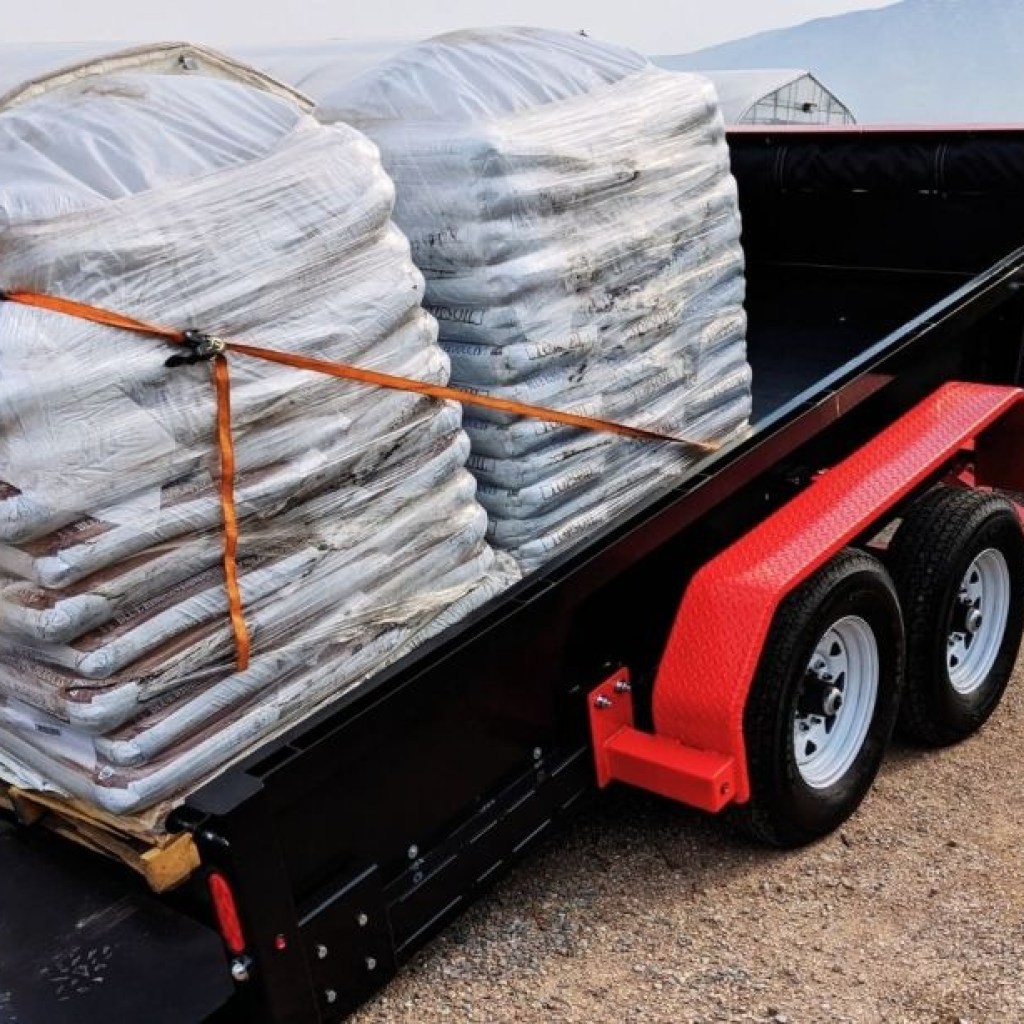
- High Payload Capacity with Tandem Axles
Shingles are deceptively heavy. A single roofing square can easily weigh 180-240 pounds, and it only takes a few layers on a 20-30 square roof to push several thousand pounds of tear-off into the trailer.
If your trailer payload is too low, you are forced into half loads, risky overloading, or extra trips to the landfill. A roofing trailer with a 14,000 lb tandem axle rating and around 9,000-10,000 lbs of cargo capacity gives you the headroom you need for full tear-offs without flirting with weight limits.
Tandem axles spread that weight across four tires instead of two. That means better stability on rough approaches, more even tire wear, and less stress on the frame and hitch when you are hauling wet shingles or mixed debris after a storm.
They also work hand in hand with quality brakes and properly rated tires. When your axles, tires, and braking system are all matched to your typical roofing loads, stopping distances stay predictable and you are less likely to get caught out on steep hills or slick roads.
- Low-Profile, Jobsite-Friendly Design
Low deck height changes how your crew works. When the trailer sits lower, roofers can toss shingles and felt directly into the bed instead of aiming over tall walls or lugging debris to ground-level piles.
A compact, low-profile footprint also fits better into residential driveways, cul-de-sacs, and tight urban lots. You can park closer to the house, reduce the distance for every throw, and keep access open for homeowners and other trades.
- Reinforced Floor for Nails and Tear-Off Debris
Roof tear-offs are brutal on trailer floors. Loose nails, drip edge, metal flashing, and broken sheathing all hit the steel with force, and thin-gauge floors quickly start to dent, bow, or even puncture.
Look for a dump trailer with a heavy steel floor, typically 3/16″ plate, supported by closely spaced cross-members. That combination spreads impact across the structure, so sharp debris and concentrated loads from shingle piles do not punch through.
Over time, a reinforced floor keeps the trailer bed flat and predictable. There are fewer low spots where water pools and fewer weak sections that need patching, welding, or full panel replacement when you can least afford downtime.
- Powerful Hydraulics with Steep Dump Angle
Roofing debris likes to stick. Shingles interlock, nails snag, and wet underlayment or ice-and-water shield can glue itself to the floor if your dump angle is too shallow.
A strong hydraulic system with a 12,000 lb lift rating and a steep dump angle lets the load break free and slide cleanly. That means fewer times climbing in with a shovel and less time fighting stuck piles at the transfer station.
From our perspective, hydraulics are not a place to cut corners. A properly engineered electric-over-hydraulic setup with a front-mounted ram and remote control keeps operators away from pinch points and gives you predictable movement, even with uneven loads.
- Side Wall Height Optimized for Shingles
Side walls that are too low let shingles and debris spill every time the crew speeds up. Walls that are too high make loading from the roof awkward and encourage overfilling until you are flirting with weight limits.
For roofing work, the sweet spot is a wall height that comfortably contains a full tear-off while still allowing an easy, natural throwing motion from the roof edge. You want volume without the temptation to heap material above the rails.
- Gate Design Built for Fast Unloading
Not every gate is built for roofing debris. Barn-door style rear gates give you a wide opening for bulky tear-off loads, while spreader gates or combination designs help control how material exits when you are dumping on uneven ground.
The right gate design keeps shingles, felt, and sheathing moving without bottlenecks so landfill stops stay short. That means your crew spends less time waiting in line and more time actually working on the next roof.
- Durable Construction for Daily Roofing Use
Daily roofing work exposes your trailer to constant impacts, vibration, and overload temptation during the busy season. Light-duty frames and thin walls might survive occasional use, but they are not built for 5-6 days a week of tear-offs.
Look for a roofing dump trailer with a heavy 1/4″ frame, structural steel walls, tandem torsion axles, and quality components throughout. When those pieces work together, the result is a trailer that holds alignment, keeps door gaps consistent, and avoids the stress cracks that sideline cheaper equipment.
Remember, durability directly affects uptime. A trailer that stays on the road through peak season is worth more than one that needs repeated repairs when you have roofs booked out for weeks.
Cost vs Value for Roofing Contractors
It is easy to compare dump trailers on sticker price alone, but roofing work quickly exposes the real cost. If a cheaper trailer forces extra trips, needs floor repairs, or limits how much you can legally haul, you feel it every month.
A purpose-built trailer like HAULIT lasts longer, unloads faster, and keeps crews safer often pays for itself in fewer dump runs, less overtime, and reduced strain injuries. Over a few seasons, that difference can be much bigger than the original price gap.
When you run the numbers, consider lifespan, maintenance, and labor alongside the payment. That is where trailers like HAULIT’s Workhorse and Workhorse XL tend to stand out for busy roofing companies.
Where to Buy a Roofing Dump Trailer
Working with a general trailer lot can be fine for occasional use, but daily roofing work benefits from a specialist. A dealer who understands shingle weight, tandem axle ratings, CDL thresholds, and landfill workflows can help you choose a setup that actually fits your routes and crews.
HAULIT focuses on trailers that handle roofing materials, pallets, and bulk loads with the same piece of equipment. Our Workhorse and Workhorse XL models pair a low deck, tandem torsion axles, a 12,000 lb hydraulic tilt system, and reinforced steel construction, making them a strong candidate for the best dump trailer for roofing if you want one trailer that can run hard every day.
If you are considering an upgrade, it is worth talking with the HAULIT team about how many squares you move in a week, how far your average dump run is, and whether non-CDL drivers are part of your plan.
FAQs
What size dump trailer is best for roofing work?
Most residential roofing crews are comfortable with trailers in the 14-18 foot range. That length gives you enough floor space for tear-off debris and pallets without making the trailer too difficult to maneuver into driveways.
If you regularly handle larger commercial jobs or multi-building sites, a longer trailer with higher bulk capacity can make sense, as long as you stay within axle ratings and local road limits.
How much weight do roofing shingles add?
Asphalt shingles typically fall in the range of 180-240 pounds per roofing square, depending on type and age. On a multi-layer tear-off, that weight adds up fast, especially when you add underlayment, nails, flashing, and damaged decking.
This is why it is important to check the trailer’s cargo rating, your truck’s tow rating, and local rules so you stay legal and safe on every haul.
Are low-profile dump trailers better for roofing?
For most roofing crews, yes. A low-profile trailer makes it easier to toss shingles directly from the roof without overextending or missing the bed.
It also fits more naturally into residential neighborhoods, leaving room for homeowners to park, deliveries to get through, and inspectors to access the property.
Can one dump trailer handle roofing and other jobs?
A well-built roofing trailer can double as a general construction or landscape trailer. HAULIT’s designs, for example, are used for pallets, bulk materials, and equipment in addition to roofing debris.
As long as the floor, frame, and hydraulics are spec’d for the heaviest work you do, you can use the same trailer across multiple crews and seasons.
Do roofing dump trailers require special brakes?
Roofing trailers usually rely on electric or electric-over-hydraulic brakes sized to match the trailer’s gross weight rating. The key is making sure the braking system is properly maintained and your brake controller in the truck is set up correctly.
When the axles, brakes, and controller are all tuned for your typical loads, you get smoother stops, less wear, and more confident control on busy streets and steep approaches.
Ready to See HAULIT in Action?
If you are tired of nursing a light-duty trailer through heavy tear-offs, it might be time to look at a purpose-built roofing setup. HAULIT team works with contractors across the U.S. to match Workhorse and Workhorse XL trailers to real jobsite conditions.
Explore our website resources to learn more about our trailer specs, watch real-world videos, or request a custom quote built around your routes, crew size, and typical roofing loads.